
The season of Lent invites Christians to slow down and reflect; a time of “revision” in our spiritual lives. Traditionally, it is time for prayer and repentance as we move toward renewal and prepare our hearts for Holy Week and the hope of Easter. Lent encourages us to examine our lives, let go of what’s distracting us, and focus on what truly matters. We wrestle to be refined into who God sees us to be.
For Christian writers, the process of revision and editing mirrors this spiritual practice. Once our draft is finished and we’ve celebrated the milestone, we begin rewriting, which leads to the second draft. Writing, like faith, grows stronger through reflection and refinement. Just as followers of Christ examine their hearts, we, as writers, must evaluate our words. Yet, to do so is an act of bravery and courage. We review and rearrange, sometimes even cut away, words that we worked so hard to create in the first place. The places of excess. The places of digression. We pause, ponder, and wonder how to tweak and modify. Editorial work serves as a form of reflection—a chance to sharpen our message so it communicates truth clearly and faithfully.

Revision as Pruning
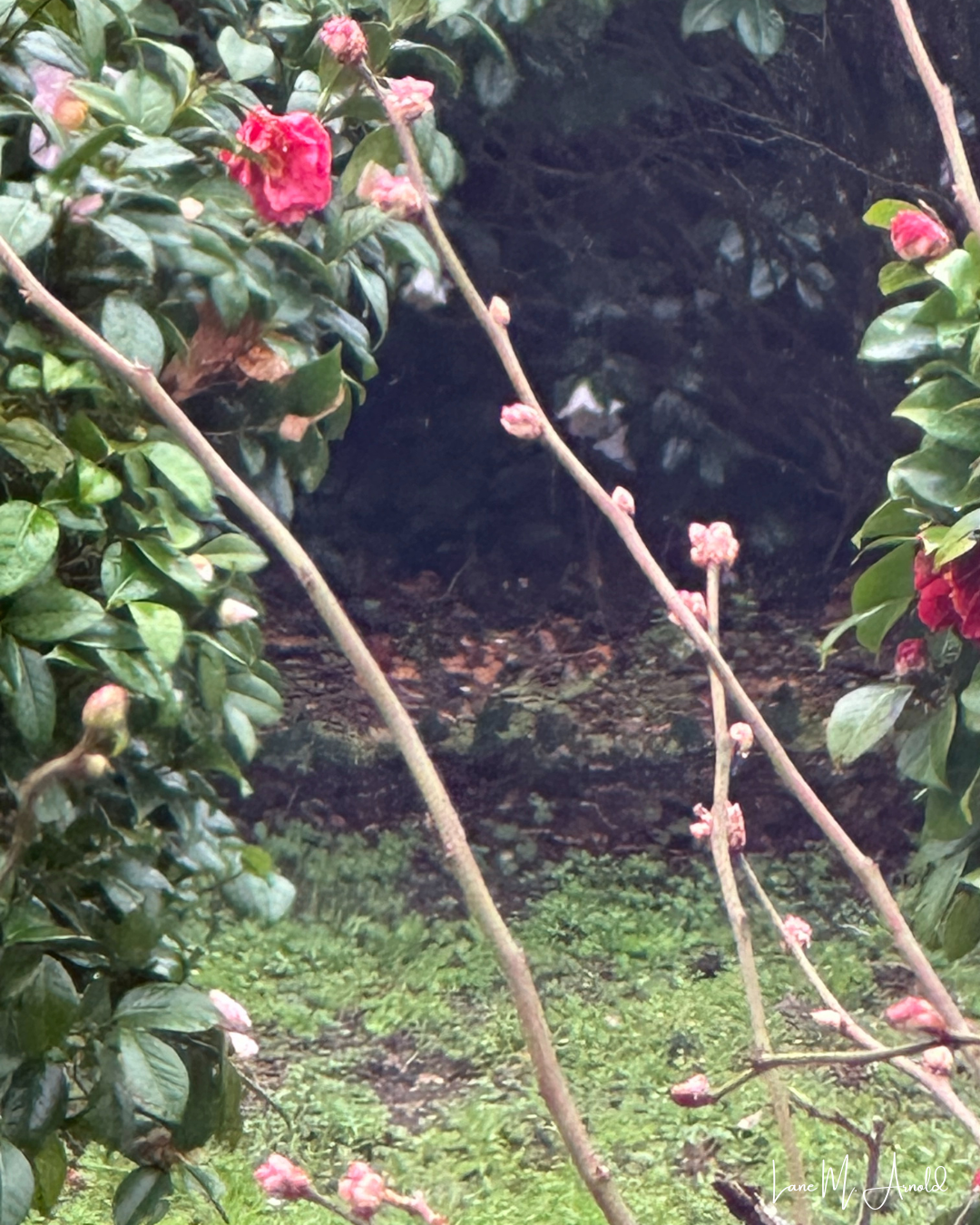
I think of revision much like I think of how I care for my garden. When my garden is neglected for too long, it becomes overgrown. Branches tangle, weeds spread, and even healthy plants struggle for sunlight. Gardeners prune unruly growth, removing excess, so plants can flourish.
Writing functions the same way. Early drafts often include too many words, repeated phrases, or unclear ideas. When writers revise, we reshape our work:
- removing unnecessary words
- trimming repetition
- rearranging sentences
- allowing the strongest ideas to stand out
Consider how careful pruning helps plants grow healthier. Notice how thoughtful revision allows writing to flourish. We revise so our words reveal their most genuine and best selves. We also rework with the reader in mind, aiming to present clear ideas that make it easy for them to keep turning pages in our book or reading paragraphs on our blog. We enter Lent with the desire to please the Lord and to become like Him. We rewrite words to make our readers pleased to keep reading.
Revision as Decluttering
Revision is like cleaning up a messy house. Over time, our homes gather items we no longer need—old papers, unused appliances, hidden objects in closets. When we hold on, we create clutter. But when we organize and remove clutter, we keep what’s useful and toss out what’s no longer needed. We edit our environment.
Writers do the same with their words. They delete dull, tiresome, irrelevant, and unnecessary words and phrases. Sometimes, revision involves asking tough questions.
- How does this sentence add value?
- What makes this paragraph necessary?
- How can I make my message clear to my reader with these particular thoughts and words?
Removing clutter from writing creates space for clarity. It allows imagination and thought to mingle in conversation. We release the good to discover the best, letting the treasures come fully into view.

Strengthening Your Language
Writing improves by using stronger verbs and more precise language. We often think that being vague and generic appeals to readers and attracts a larger audience. However, writing with more specific, vivid language helps readers visualize the scene more clearly and understand the idea better.
Weak verb vs. strong verb
Weak:
The disciples were very, very afraid during the storm.
Stronger:
The disciples trembled during the storm.
Strong verbs create vibrant, engaging writing. As writers, we also tend to overuse forms of “to be” (is, was, were, are, be, been, being).
- Overuse of “to be”: The message was very powerful, and it was inspiring to the crowd.
- Revised: The message inspired the crowd.
The revision removes unnecessary words and strengthens the action.
Active Voice vs. Passive Voice
Another common editing step is identifying the passive voice.
- Passive voice: The sermon was written by the pastor.
- Active voice: The pastor wrote the sermon.
Active voice often creates clearer, more lively sentences because the subject performs the action. While passive voice has its place, strong writing usually favors active construction.
The Discipline of Self-Editing
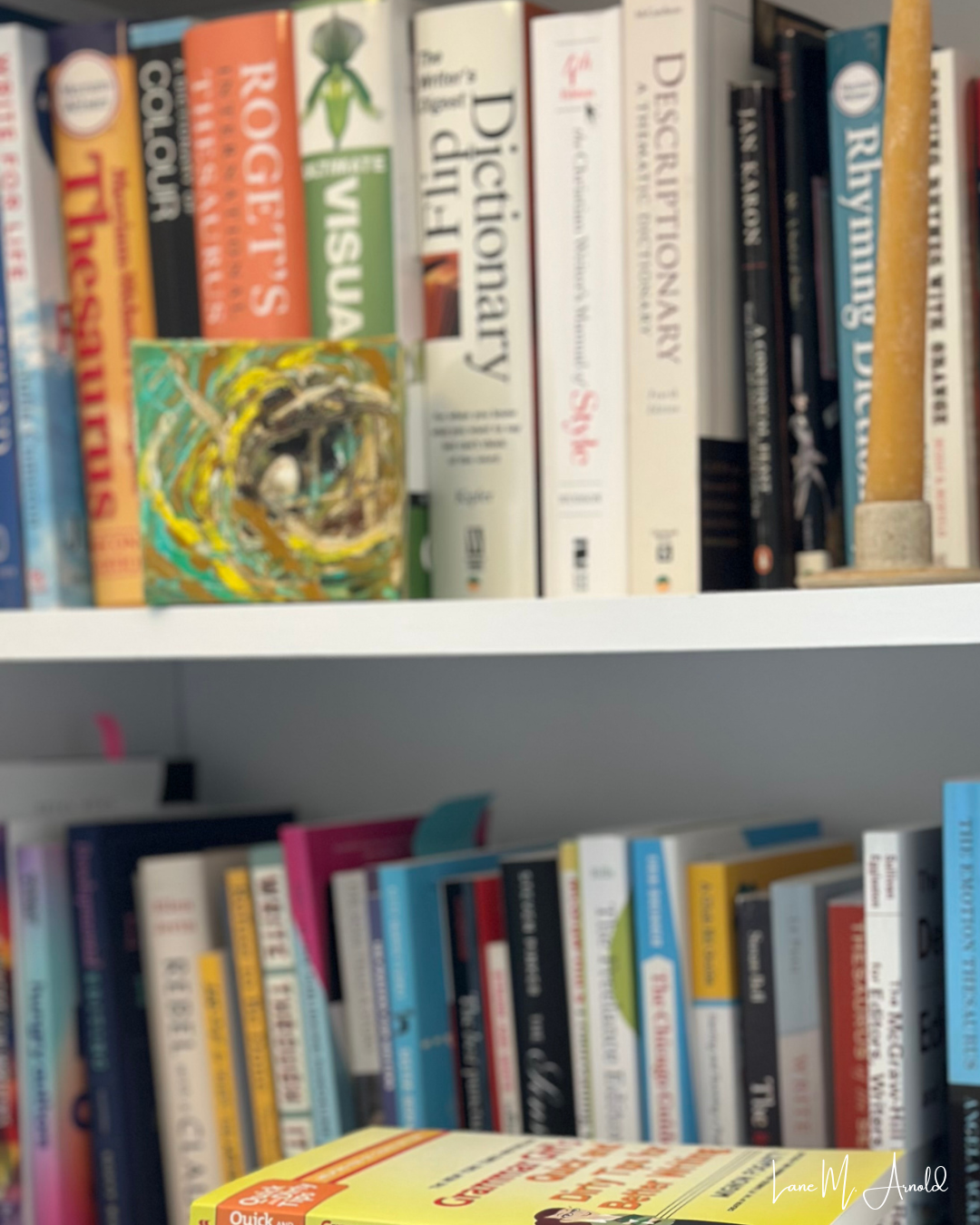
Self-editing is an essential skill for every writer. It encourages us to slow down, improve our ideas, recognize our writing weaknesses, and be more deliberate. We observe, focus, and remain aware of what our words communicate. The editing process involves subtraction. It demands patience, humility, and concentration, some of the same qualities cultivated during Lent.
While Christ’s followers reflect on habits and priorities during this Lenten season, writers look over their drafts.
We prune unnecessary language.
We remove clutter.
We strengthen what remains.
Even so, the most careful gardener still benefits from a fresh set of eyes. We need another person’s wisdom and perspective.
The Value of a Professional Editor
After writers edit their first draft, a professional editor can enhance clarity and polish the final product. Editors provide an outside perspective that helps identify issues writers might overlook, such as:
- structural weaknesses
- unclear wording
- grammatical errors
- inconsistencies in tone or style
Much like a skilled master gardener knows how to shape plants for healthy growth, a professional editor helps craft a manuscript so the writer’s message can thrive. An editor lends a hand so words shine. They are shaped by someone who maintains a degree of emotional and professional distance from the work in progress.

Growth Through Reflection and Revision
The season of Lent reminds us that growth often requires honest reflection and careful pruning. Writing follows the same pattern.
Through careful self-editing and assistance from a skilled editor, writers can turn messy, cluttered, rough drafts into clear, purposeful works that offer depth and beauty while remaining streamlined and effective.
Much like Lent encourages renewal celebrated at Easter, revision guides help writers accomplish something truly rewarding: words that convey truth with clarity, purpose, and grace.
What’s one way you could start revising your latest work in progress?
Let the editing begin!
