
Recently, I stopped by the library to pick up several novels and nonfiction books I had put on hold. I could’ve ducked back out to my car and kept running errands. Instead, I meandered through the children’s section of the library.
Delight bubbled up. I browsed the rows of books for whatever caught my eye. The truth is that the short shelves hold an allure because there’s good stuff there. Book spines shout out to me with their bright, happy colors. Like the interesting shells I’ve collected on the beach, no two are alike. Another plus is that nobody in the children’s section is trying to impress anyone, including the books themselves. They simply invite me to open the cover, sit on the floor, and read, so I do.
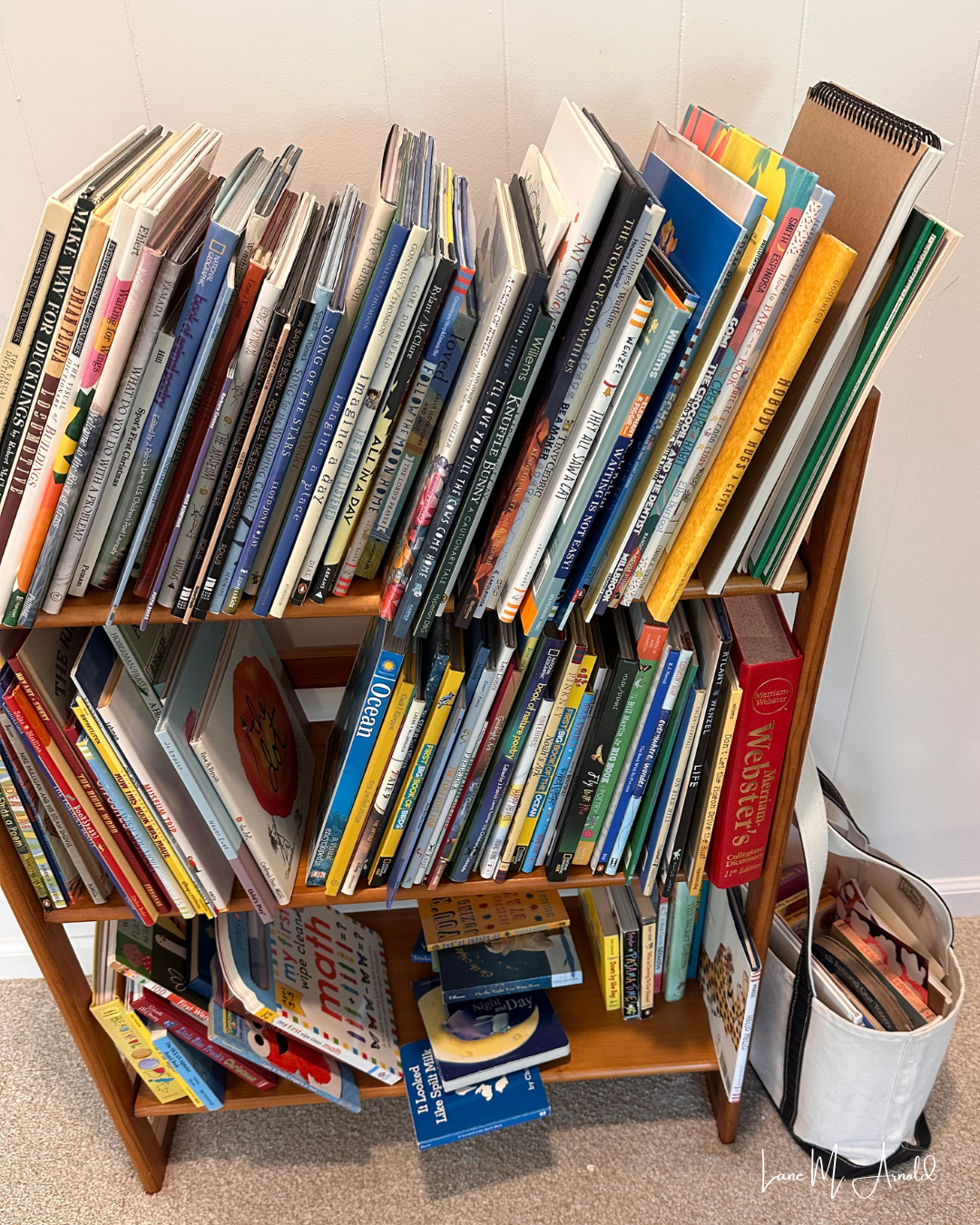
Children’s books matter to the writer in you.
If you’re a writer, I want to make a case for spending time hanging out with the short shelves in the children’s area. Come play. Come linger. Come feel childlike again. Don’t come for research. Don’t do this as a guilty break from the “real” work of a writer. Come as part of the work and wonder of being a holder of words.
Read outside your lane.
Here’s something I tell book coaching clients constantly: if you only ever read within your own genre, your writing eventually starts to sound like it’s circling the drain. A memoirist who reads only memoirs, a nonfiction writer who reads only nonfiction, or a novelist who reads only novels needs the breadth and width of other types of writing.
To keep your nourishment from growing stale, I encourage you to read across genres, including children’s books. It’s the most overlooked stop on the reading path. That may surprise you. So, here’s your assignment: read on and find out why I think children’s books are a vital and worthy investment of time and energy.
As a child, C.S. Lewis hid his love of fairy tales. As an adult, he readily embraced them, believing that what’s good for children is also good for adults. He read and wrote all manner of books: theology and children’s literature. When was the last time you sat down and read a children’s book to yourself? As a writer, I’d suggest giving it a whirl.
Think about what you’ve been reading. How have children’s picture books or children’s literature been approached? What might loosen up in your voice if you let them in?
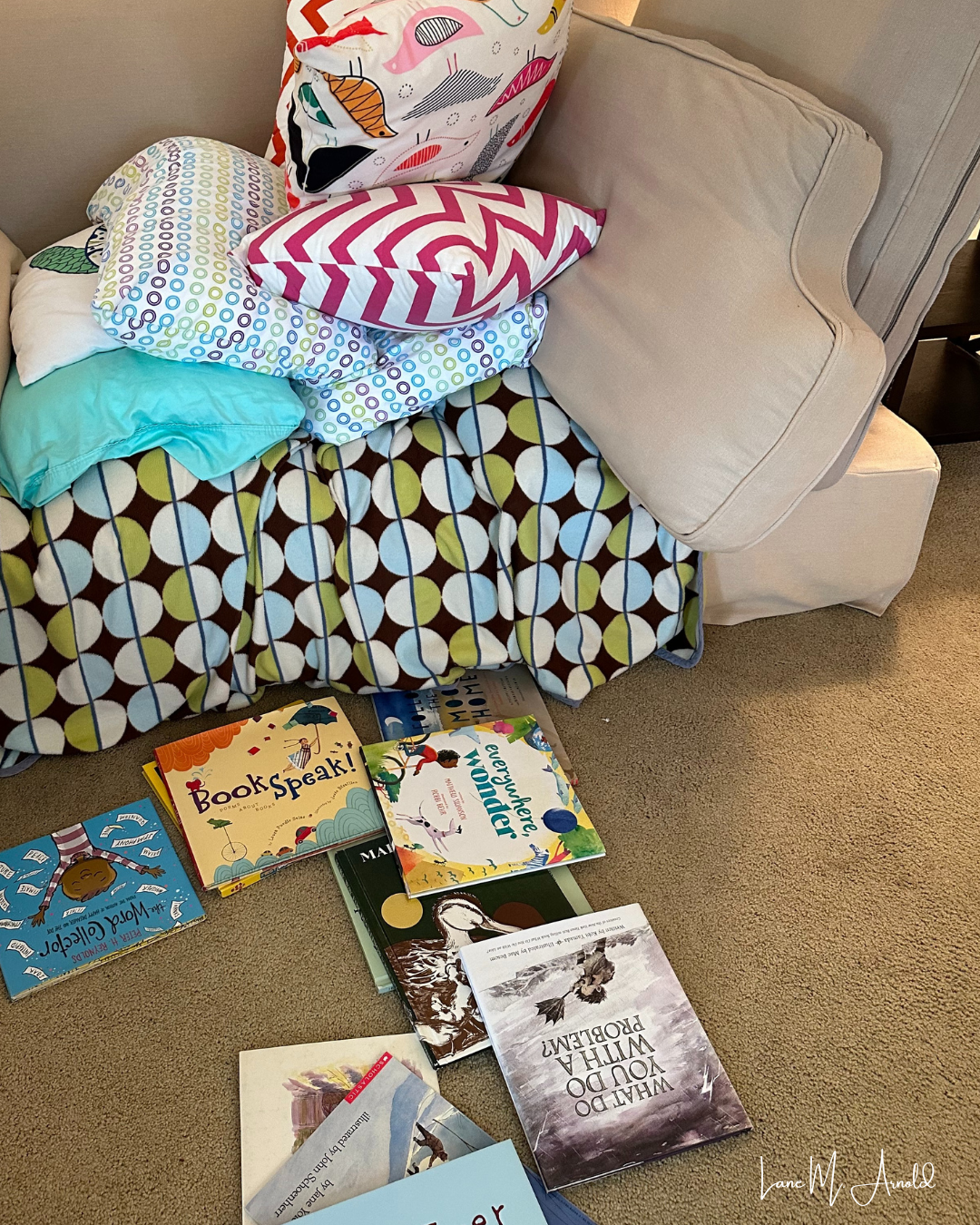
Children’s books teach writing craft in a few short pages.
A picture book doesn’t get five hundred pages to make its case. It gets maybe five hundred words, sometimes fewer, and it must make you feel something in that space. Every sentence works double shifts.
If you’ve ever caught yourself over-explaining, circling back to make sure the reader definitely “got it,” picture books offer a masterclass in the opposite instinct. They trust the gap between the words and the picture, letting the two dance together instead of saying everything twice. They invite imagination through their succinctness.
Where in your own writing are you explaining for page after page? What would it feel like to simply trust your reader?
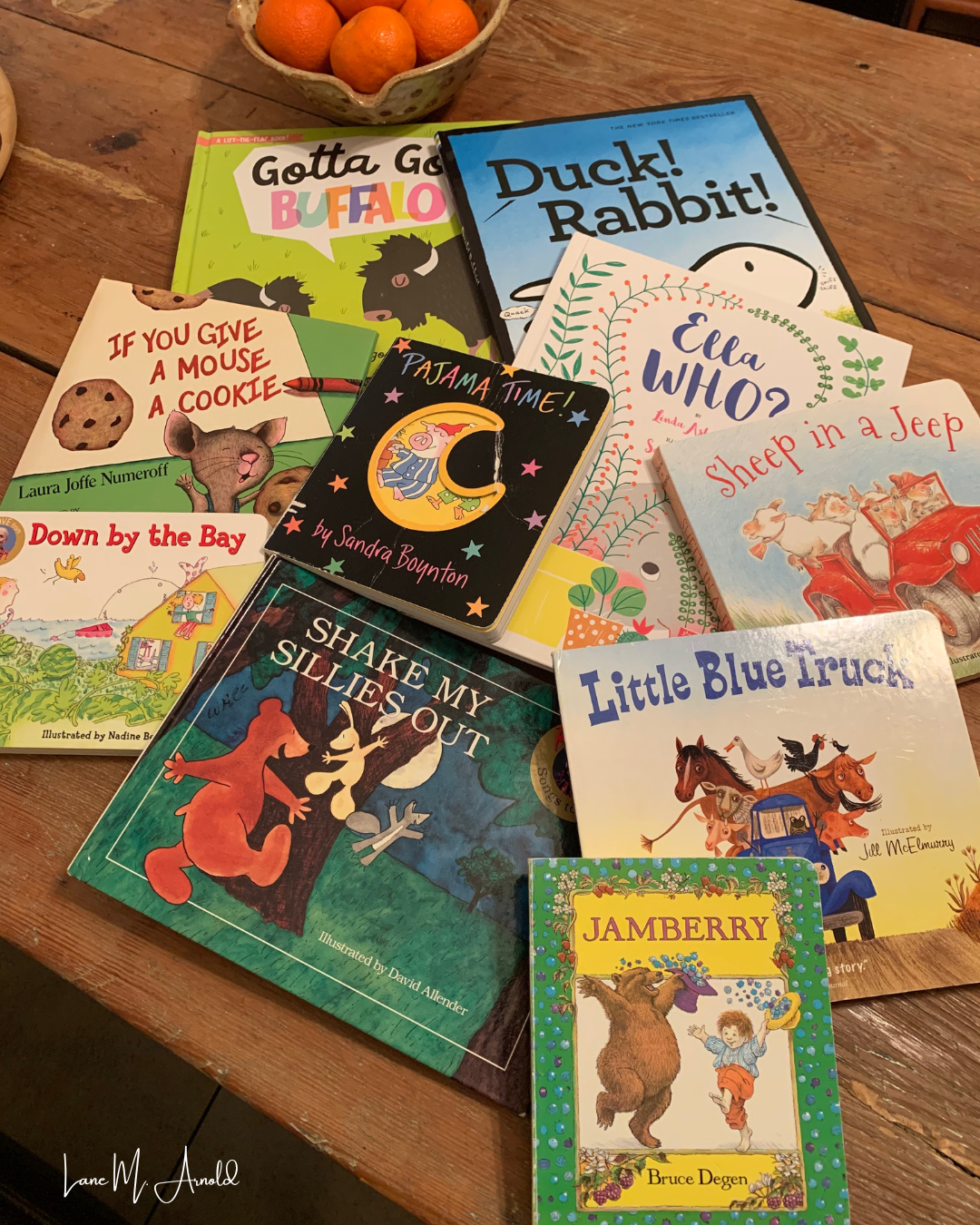
Picture books offer writing insights and soul care, too.
Rhythm isn’t a poetry-only skill; it’s a mouth skill. Picture books are meant to be read aloud. They are built for the mouth as much as the eye.
Read one aloud, even to an empty room, and notice what your voice does. Where does a sentence rush like a wave chasing the shore? Where does it slow and settle like sand once the water pulls back? That’s the same muscle you need for the sentence you’re stuck on in Chapter Four.
Children’s books feed more than your ear; they feed your heart, too. Gladys Hunt, in Honey for a Child’s Heart, calls a good book “a magic gateway into a wider world of wonder, beauty, delight, and adventure.” Reading one aloud slows you down in a way silent reading can’t. Slower attention is its own kind of soul-care, for the reader doing the reading as much as anyone listening.
Let yourself be playful and imaginative.
I used to think of play as something writers earned only after the real work of writing was done. Now I think that’s backward.
My most alive writing comes after I’ve let myself be a little silly, a little loose, a little unconcerned with usefulness, the same way a child builds a blanket fort with zero thought to structural integrity, simply delighting in the fun of building. It’s like playing in the shallow end of the pool where there’s lots of splashing and so much laughter and imagination taking place.
Luci Shaw says, “Imagination gives us pictures by which to see things the way they can be, or the way they are underneath.” That sounds like fun. Let’s step into childlike imagination as we read children’s picture books.
Invention and fantasy aren’t ways of wandering away from truth; they exercise a freedom God built into us on purpose. Francis Schaeffer says, “The Christian is the one whose imagination should fly beyond the stars.”
Think about what happens when an idea first shows up for you. What does it feel like? A tickle in your throat? The aroma of a favorite childhood meal? The joy of playing in the woods with friends? The sound of the wind at midnight, with an owl outside your window? Playfulness and imagination shape how we show up on the page.
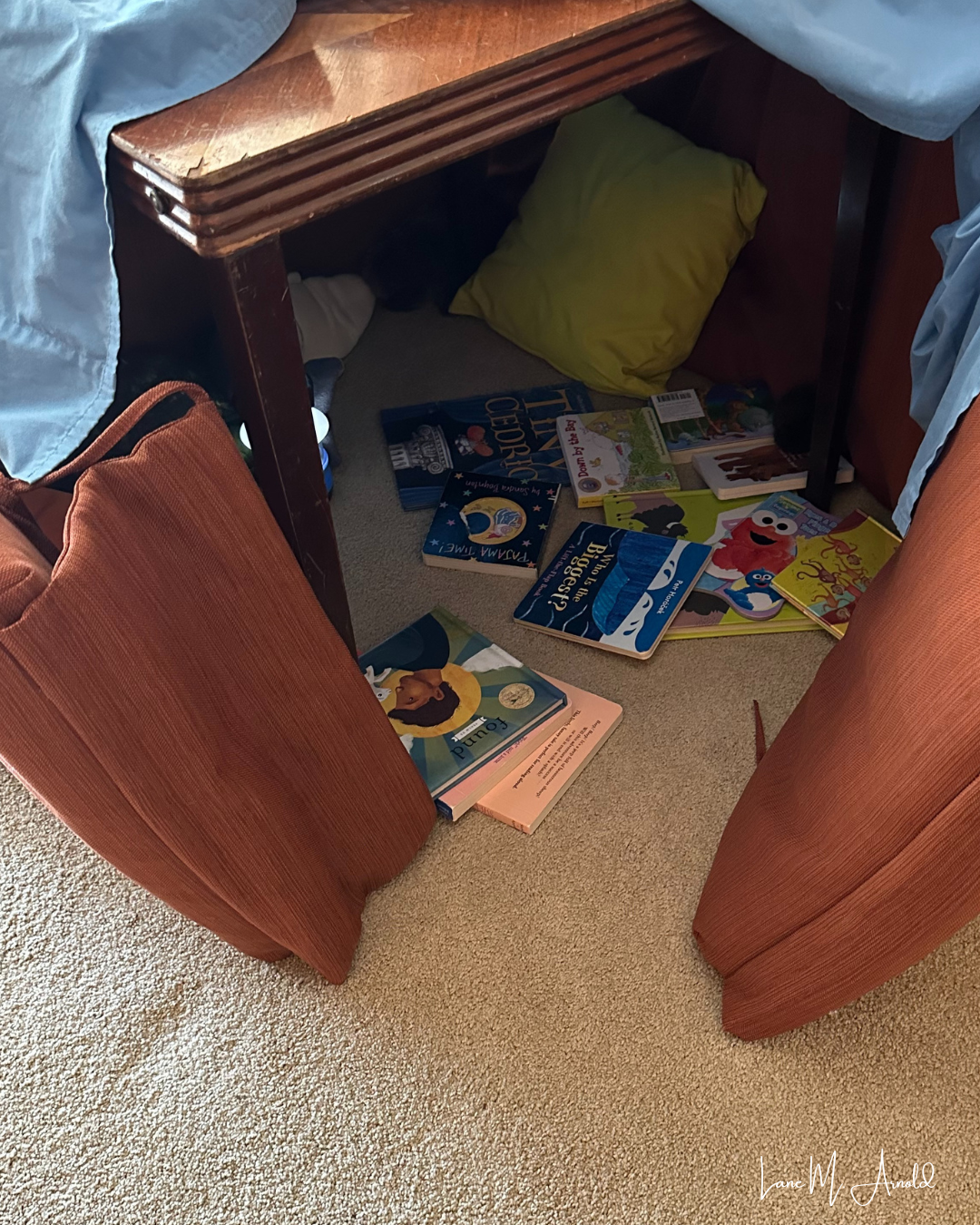
This matters at the heart-and-soul level of delight.
C.S. Lewis told his goddaughter Lucy in his dedication to The Lion, the Witch and the Wardrobe that “someday you will be old enough to start reading fairy tales again.” Delight isn’t something we outgrow for good. If we’ve set it aside, we can pick it up again. What would it be like to step through the door of delight again?
J.R. R. Tolkien says imaginative making is “sub-creation.” In his essay “On Fairy Stories,” he says we make because we are “made in the image and likeness of a Maker.”
-
- How does it feel to create as a gift from the Creator?
- How does your imagination come more alive in the presence of the imaginative words in a children’s book?
- What have you read lately that was just for fun?
- What did that shift in your heart and soul?
- How might delight and creativity in a picture book then turn around and show up in your writing life?
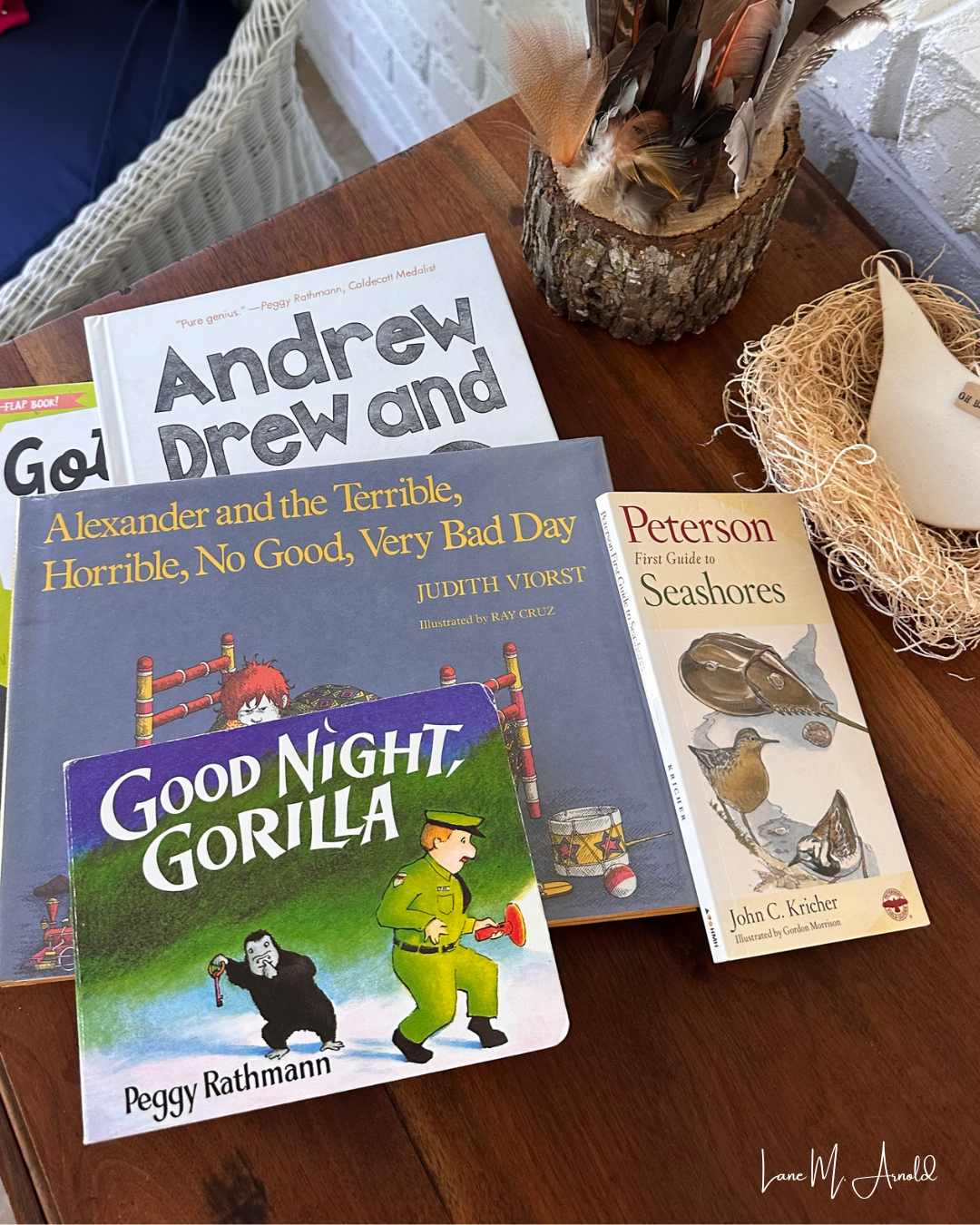
So how does any of this get you back to the writing page?
W. David O. Taylor’s newest book, To Set the World Aflame: How Artists Bear Witness to the Fullness of God’s Creation, frames the artist’s calling as that of a caretaker and custodian, concerned with elements of God’s beauty, goodness, and truth.
As a book coach, let me reiterate that we are not on a detour from being writers when we read robustly about things that foster our imagination. Instead, Taylor reminds us that we are stewards, and as writers, we steward words. That reframes reading for fun as more than what some might call wasted time; it keeps the instrument of our imagination in tune.
You’re not simply using your imagination to write. You’re responsible for keeping it fed and capable of wonder. Time spent in the children’s section of the library or with children’s books keeps wonder and imagination in shape.
While writers do need to read for research, they also need to read simply to be refilled. Switching genres by reading a children’s picture book can unstick a stalled project faster than pushing harder on it ever will. Something quiets as you read for pleasure, and in the quiet, fresh ideas begin to grow.
Constraint also catches our attention. A poem holds constraints: sparse words, blank spaces. Children’s picture books also work within tight constraints, too. With an average of only thirty-two pages, the story has to say a true thing in a small space, the way a tide pool holds an entire ecosystem in something you could scoop up in two hands. Spend time in that compression, and it loosens ideas your longer writing was too crowded to let through the writing gate.
Here’s your homework, if you’re up for a delightful experiment. Gather a stack of picture books from your local library. Spend some time with several of them before your next writing session. Read one aloud before you open your manuscript. Then write. Then notice. Then pay attention.
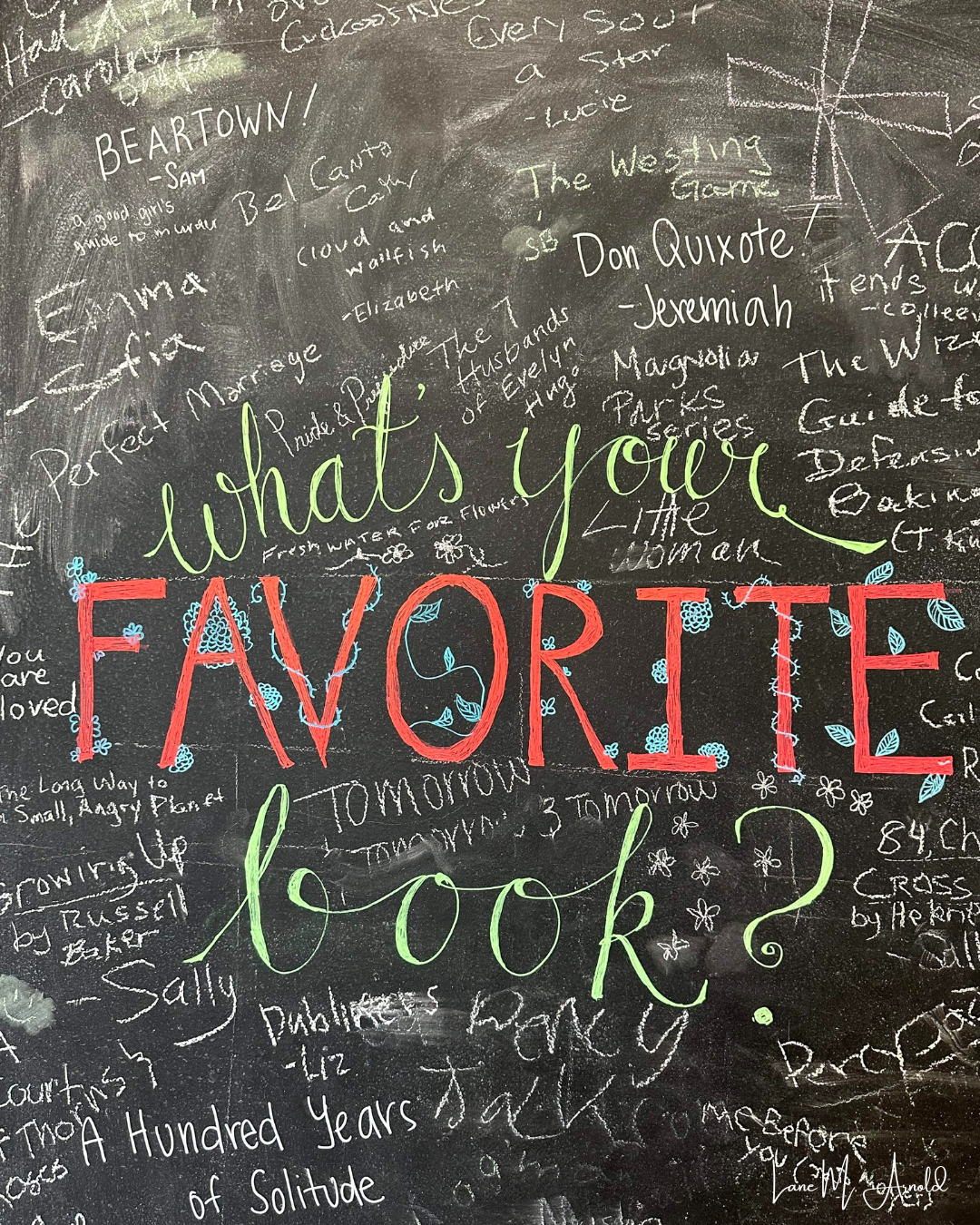
After a good stretch of reading and delighting in words, then sitting down to write, what happened to your writing voice? Did it feel lighter? Looser? Braver?
Reading children’s books revitalizes our imagination, helps us reconnect with our emotions, offers truths from new perspectives, and helps us rediscover awe. We become curious about the world around us and the world within us as we open up a picture book or a novel written for children. They speak to the child within us.
If you are looking for me, you’ll find me among the low shelves in the children’s section of the library. I’m the one with books sprawled around me on the floor. I’m the book coach and writer who still comes home with an armful, or a bag or two, of books I have no professional reason to gather. That’s the whole point, isn’t it?
Somewhere between the tide going out and the tide coming back in, between what you thought you’d outgrown and what was just waiting for you, that’s where the good stuff is.
Remember how C.S. Lewis told his goddaughter that someday you’ll be old enough to start reading fairy tales again? I think that someday might be today. Go find your low shelf in the children’s section of the library and enjoy the wonder of picture books.
